
The Story of Boys & Girls Aid’s Shelter & Housing Services
Solving an Invisible Problem: The Story of Boys & Girls Aid’s Shelter & Housing Services
Your child’s classmate in third-period science.
The college student ringing up your order at a fast-food counter.
The quiet young person charging their phone in the back of your favorite coffee shop.
They blend into the background — classmates, coworkers, neighbors, friends. But look closer and you’ll see that many young people in Washington County are carrying the burden of homelessness and housing insecurity. It’s a struggle hidden in plain sight.
“People don’t really see youth homelessness in our community because it looks different in the suburbs,” observes Andrea Logan Sanders, President and CEO of Boys & Girls Aid. “On any given night there are more than 200 young people experiencing homelessness in Washington County, and people don’t notice because they’re not who you’d stereotypically think of as ‘homeless kids.’”
“The young people in our Shelter & Housing programs are just like the kids you know in your own life. They’re funny, resilient, and caring — and they just need to be met halfway to find a path out of a bad situation.”
“The young people in our Shelter & Housing programs are just like the kids you know in your own life,” explains Drew Williamson, current Director of Shelter & Housing Services at Boys & Girls Aid. “They’re funny, resilient, and caring — and they just need to be met halfway to find a path out of a bad situation.”
And while homelessness may not be as visible in Hillsboro, Beaverton, and Sherwood as it is in downtown Portland, its dangers are just as real. “The fact of the matter is that homeless kids become homeless adults,” says Ryan McCauley, Director of Shelter Services at Boys & Girls Aid. “Without intervention, their risk of being victimized, trafficked, or pulled into substance use skyrockets.”

Envisioning a Compassionate Solution
Until 2007, this problem in Washington County went largely unaddressed and young people experiencing homelessness had nowhere to turn. Too often, they were arrested and sent to detention for minor offenses — not because they belonged there, but because no better option existed.
That was until Boys & Girls Aid’s leaders started noticing more youth in their community with nowhere safe to go. “Our leaders were very astute and had a talent for noticing what others overlooked,” recalls Andrea. “They began connecting with local proponents of homeless services and figuring out the best way to really meet the needs of the community.”
Before long, the solution became undeniable: the community needed a shelter designed specifically for young people. A shelter that recognized youth face different challenges than adults. A program that saw their skills and potential, and helped them grow into self-sufficient, resourceful adults.
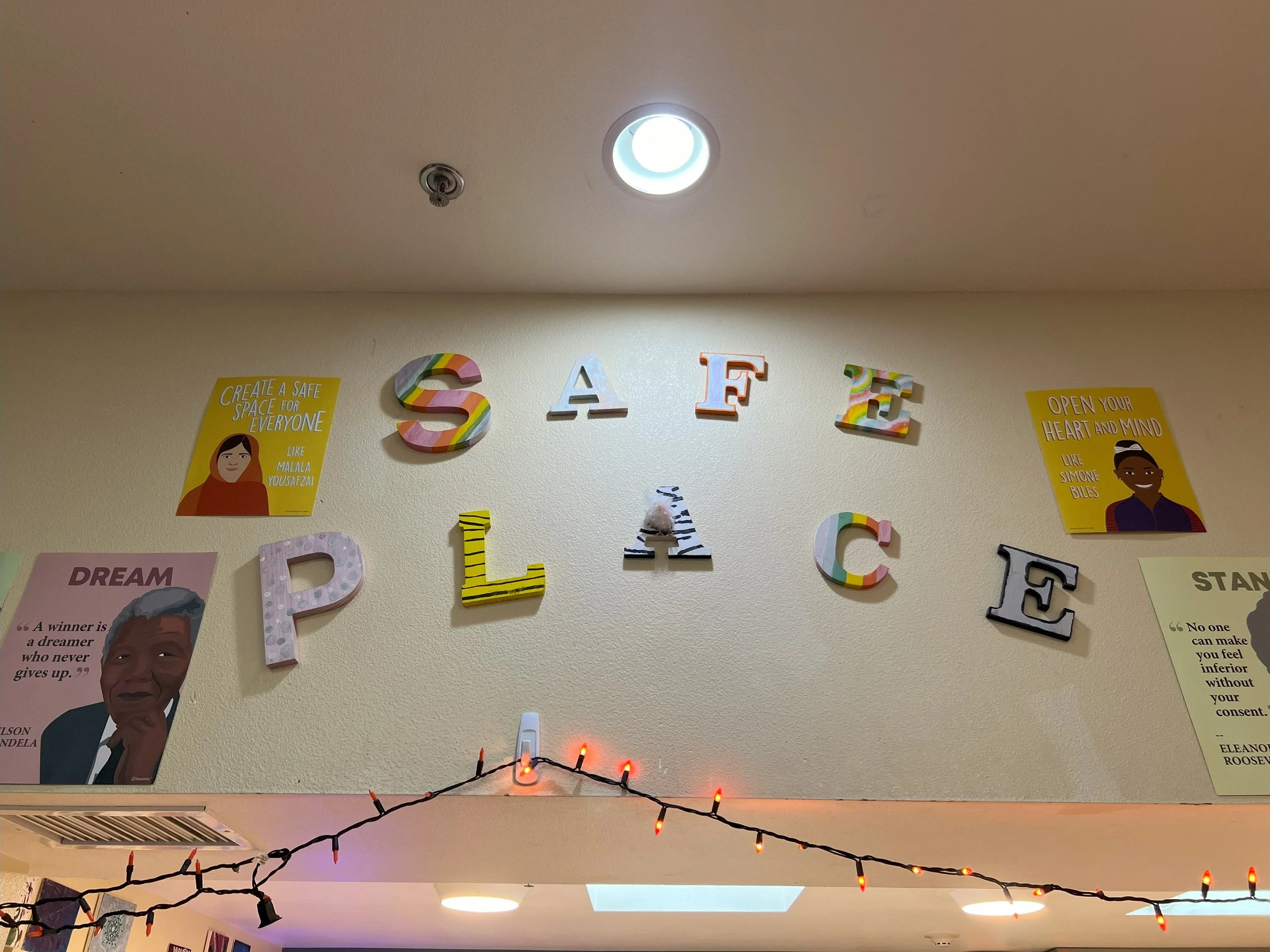
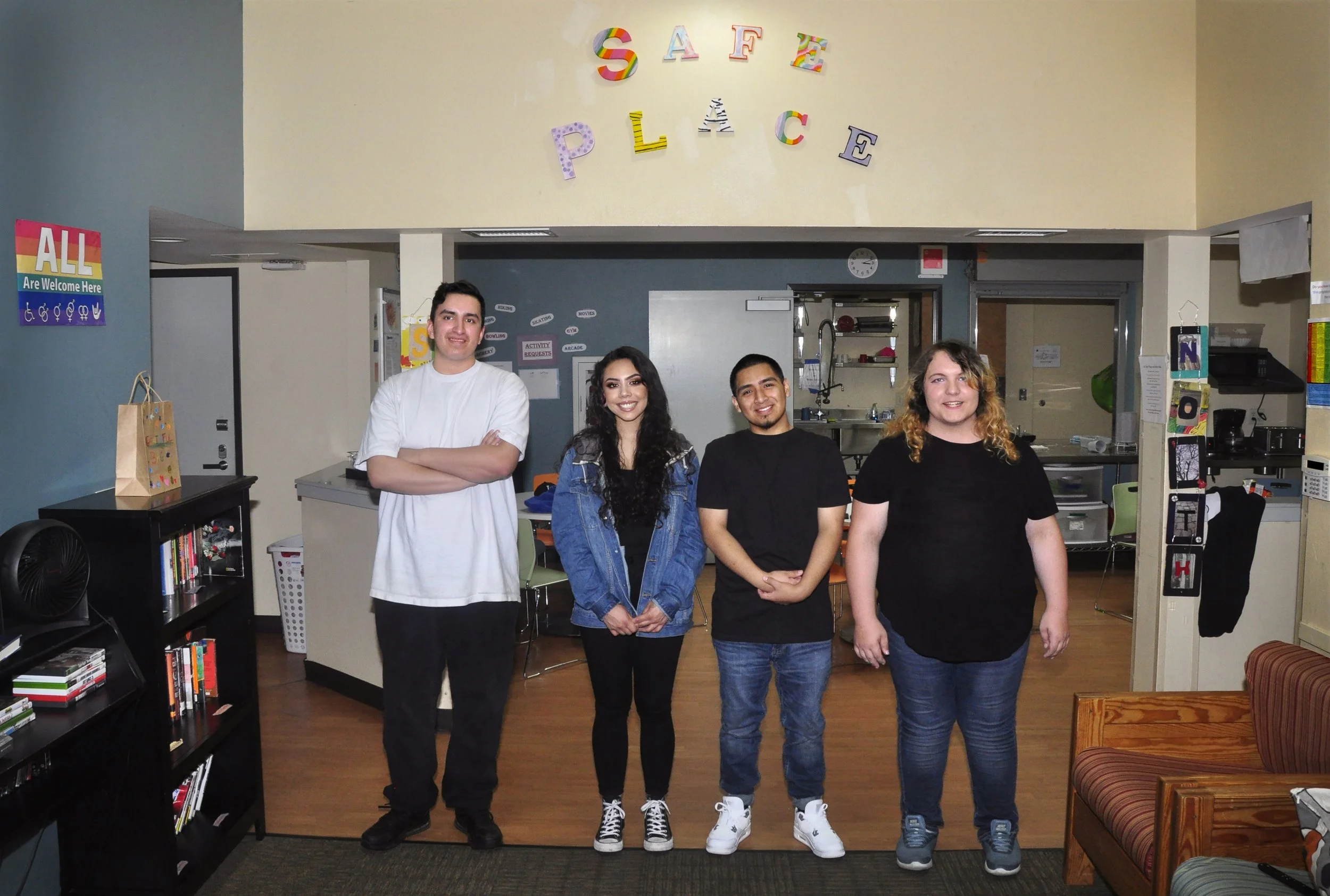
It needed a Safe Place.
Building a Safe Place
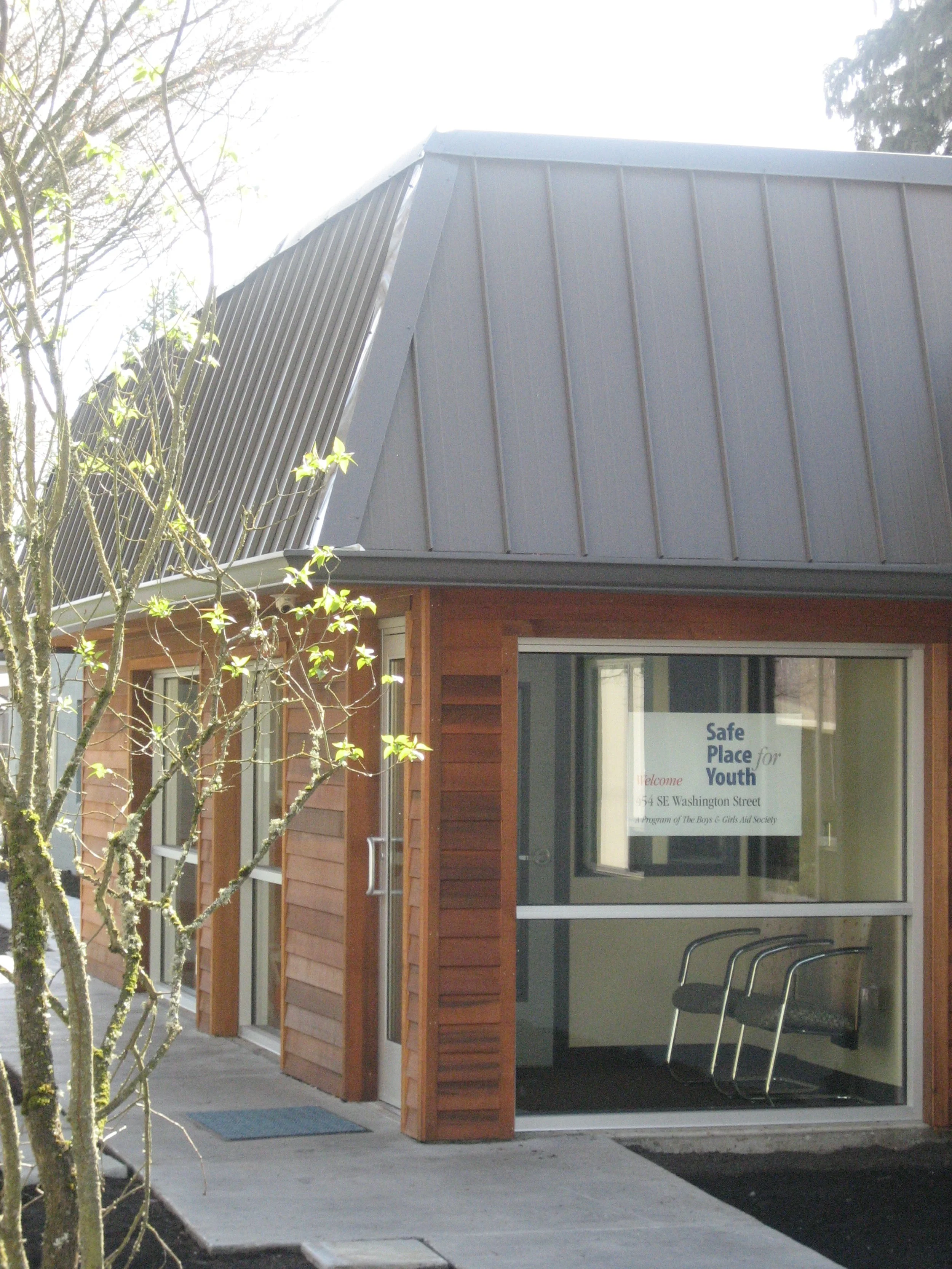
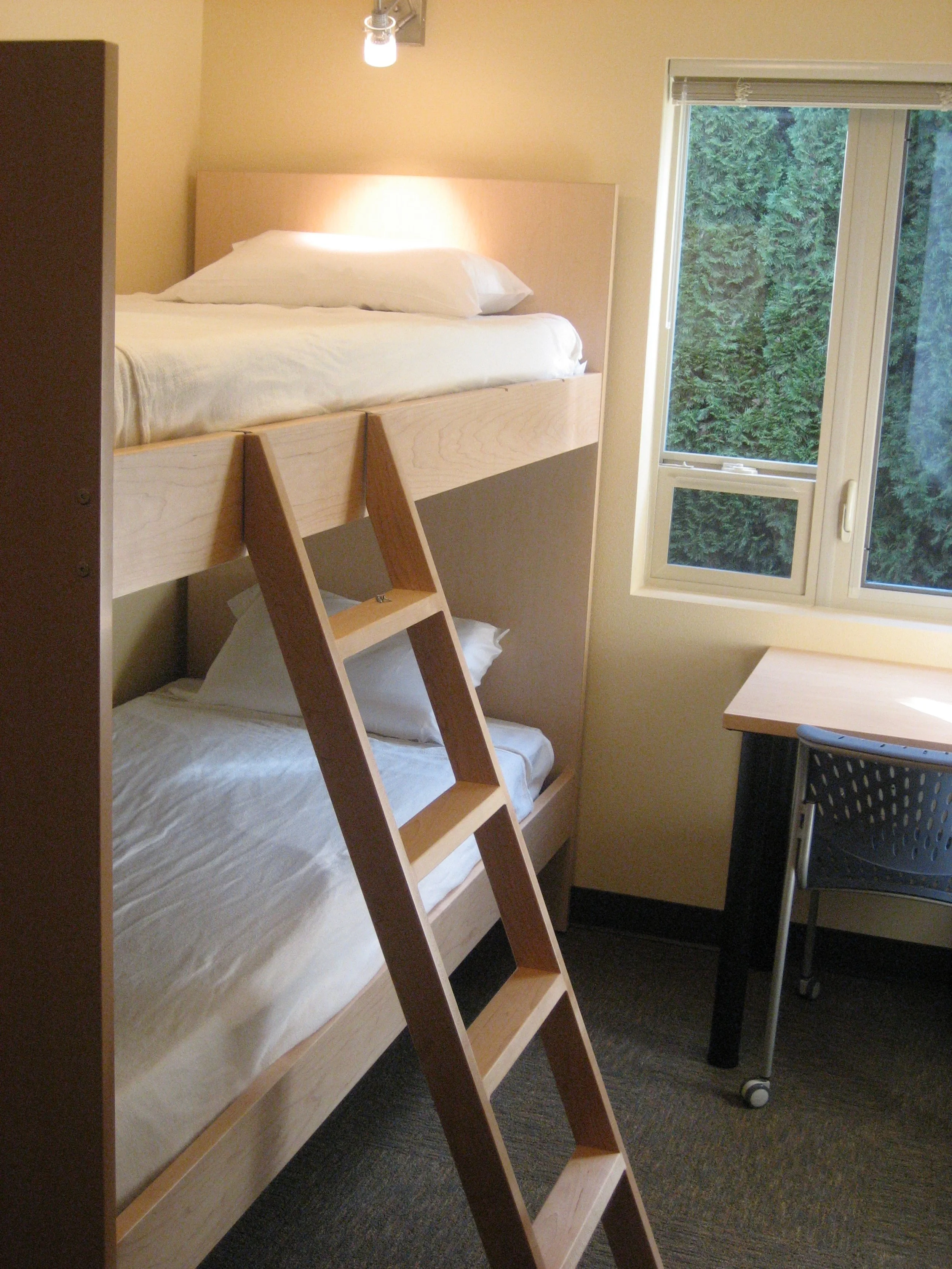
Although Boys & Girls Aid had supported homeless youth in foster homes since the 1970s, opening Washington County’s first shelter for homeless and runaway youth was a new idea. When the agency’s leadership brought the proposal to the board of directors, they recognized it as a natural extension of the agency’s mission and the leadership team got to work putting the project together.
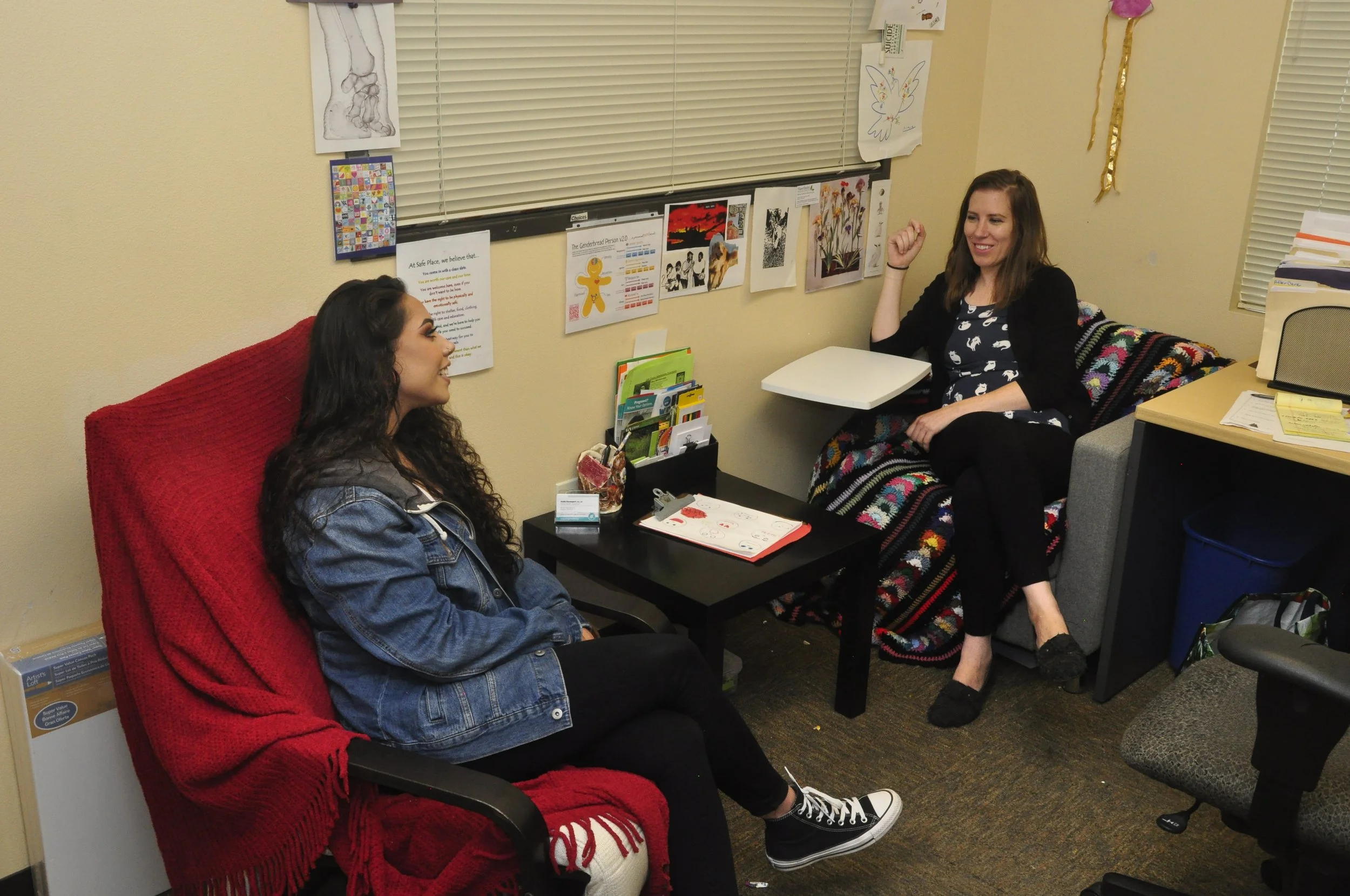
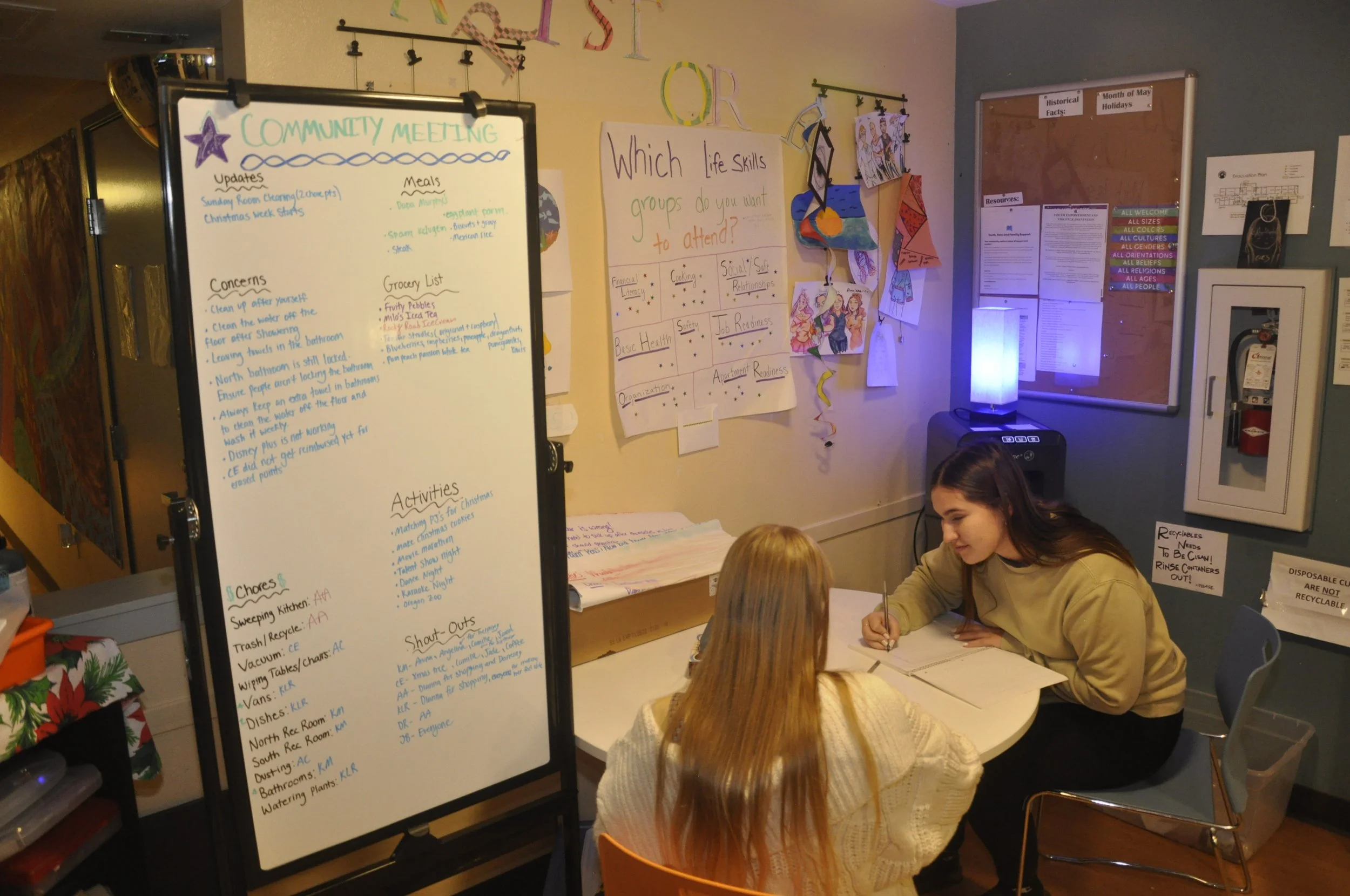
Every aspect of Safe Place — from its location to its hours of operation to its services and programming — was designed with youth’s needs in mind. “The agency’s leaders searched the county for an affordable building that would be truly accessible for young people,” explains Andrea. “The site they found was perfect, right off a MAX line stop and just a few blocks from Washington County’s social service buildings.”
One of the biggest hurdles was helping city leaders and law enforcement feel confident about opening Safe Place in Hillsboro. “They were worried that the shelter would make the community less safe and that the shelter would attract new homeless kids to the community,” Andrea recalls. “We had a lot of conversations where we needed to educate them that there already homeless kids in the area and that the community had a responsibility to help lift them up from the margins.”

Opening Doors
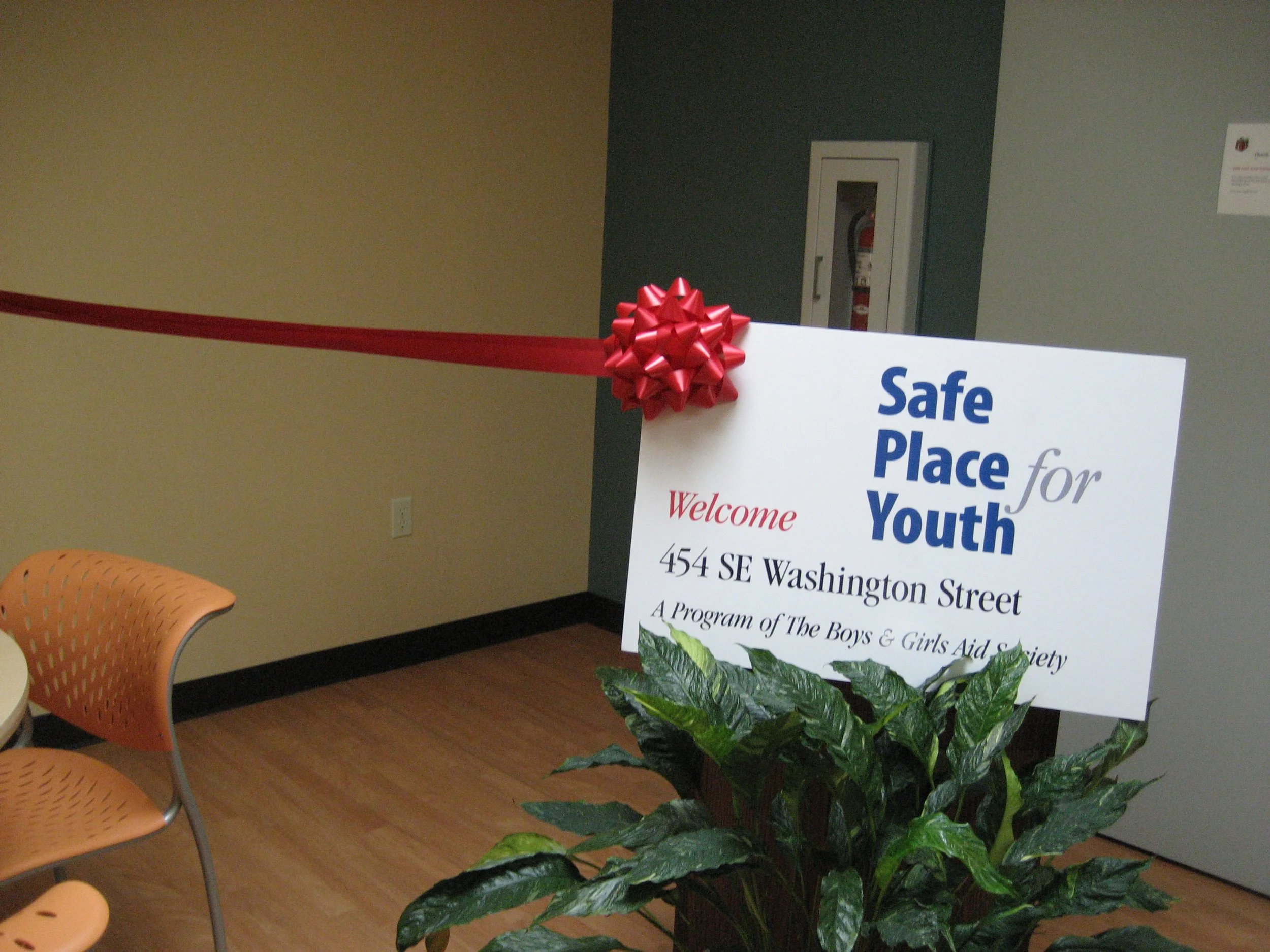
After a year of hard work building out the space and fleshing out the programming, Safe Place opened its doors in April 2007.
Then, after serving only minors for four years, the team increasingly heard stories about transition-age youth with nowhere to go. “We would get referrals from high school teachers about 18-year-old students living outside, and we had to turn them away because of our age requirement,” recalls Andrea. “It became apparent we had a responsibility to help these kids.”
Expanding Boys & Girls Aid’s services to include young people often treated as adults was not without controversy. Even so, staff widely believed it was a necessary evolution of the agency’s mission.
“There’s a big misconception in our society that once you turn 18 you’re supposed to have everything figured out,” explains Kristina Martinez, current Director of Housing Services at Boys & Girls Aid. “They’re still kids and they need someone to meet them halfway with the support that makes a healthy transition into adulthood possible.”
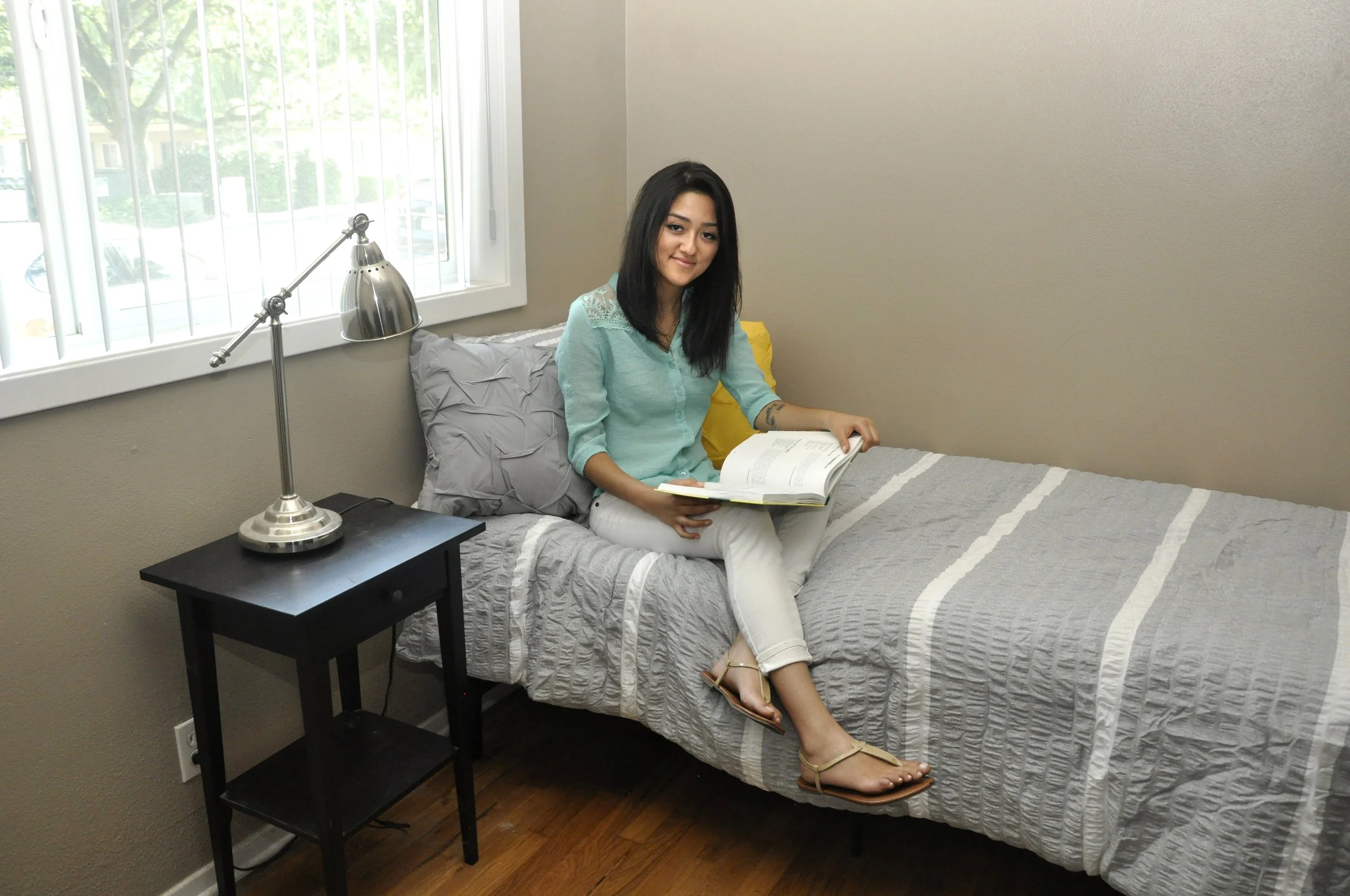

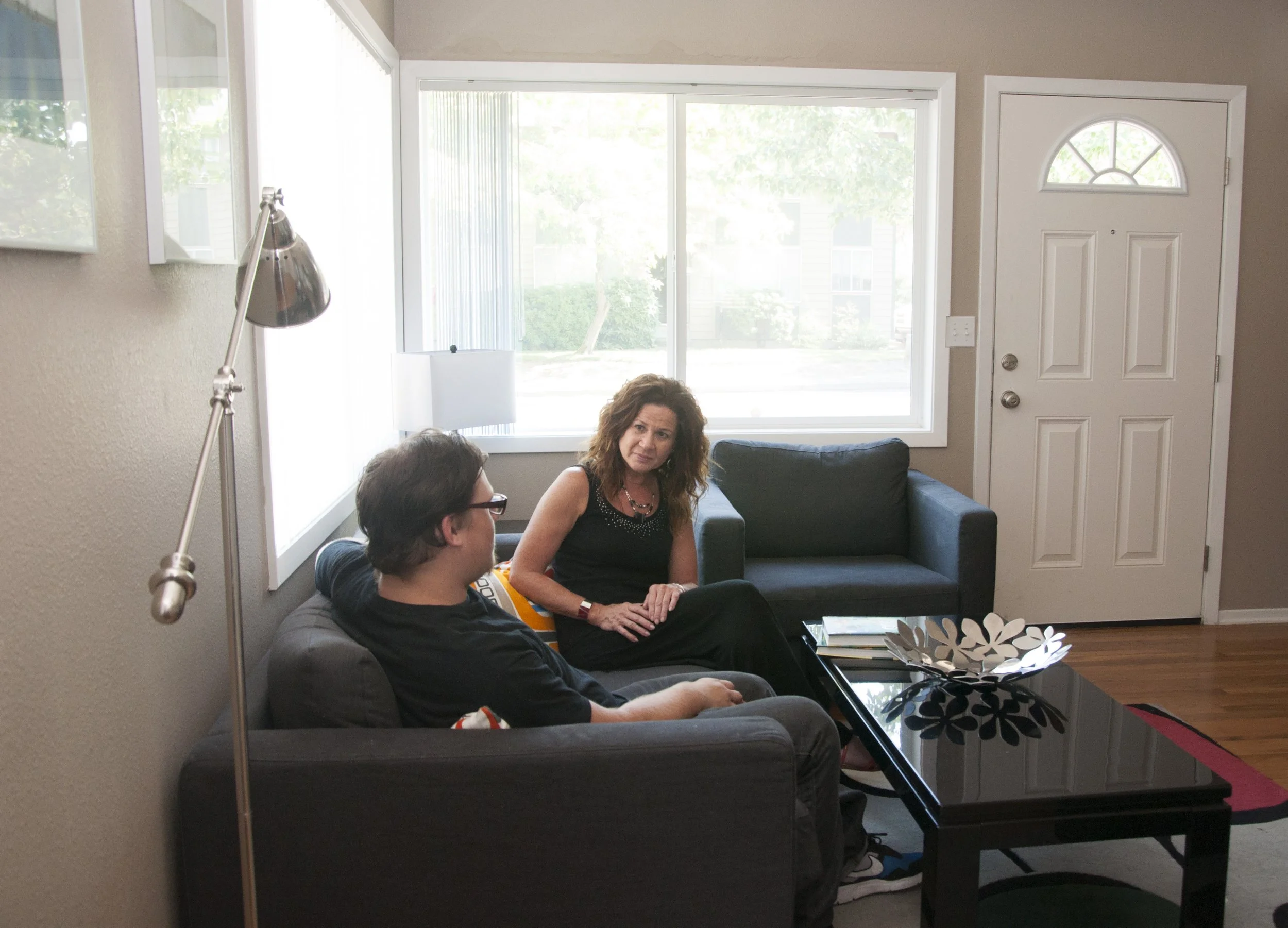
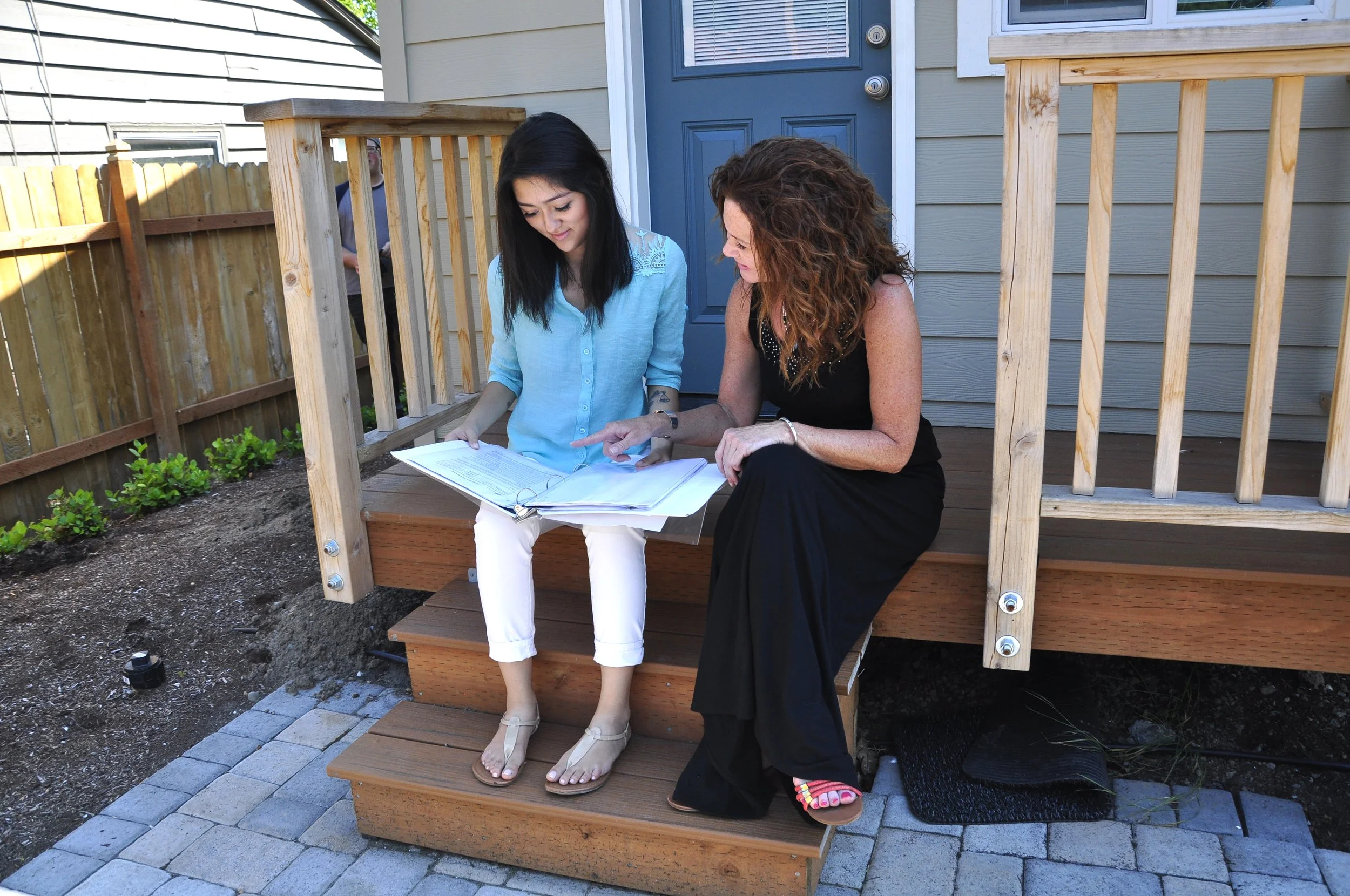


Providing a Continuum of Care with Housing Services
While providing temporary shelter to help youth get back on their feet after a crisis was essential, it was just as important to ensure they could be connected to stable, secure housing for a lifetime. “We started offering housing services when we realized that no matter how hard we worked to help youth avoid homelessness at the shelter, if they didn’t have a place to live afterwards it wasn’t setting them up for success,” Andrea explains.
Fast-forward to the present and Boys & Girls Aid’s housing programs have evolved into a comprehensive continuum that provides stable, affordable housing to 96 young people in Washington County every year. Using a personalized, progressive approach to case management, these programs help youth develop the skills and resources that set them up for a lifetime of stability and success.
“What makes Boys & Girls Aid’s Shelter & Housing programs so effective is that they’ve been built to provide a true continuum of care,” says Drew. “Whether a young person needs a place for the night or support during their first years of living on their own, we meet them where they are and connect them with the resources they need to reach their goals.”
“We’ve designed our programs to show young people that it’s okay to ask for help,” adds Kristina Martinez, Director of Housing Services. “Our goal is to help them move out of survival mode and remind them that they deserve to be seen, loved, and supported, and that they don’t have to figure it all out alone.”
Creating a Brighter Future
After 18 years operating Safe Place and independent housing programs, the impact of this work can be felt across the community. “We’ve always been a place where anyone can feel uplifted, valued, and appreciated — and I think that has made our community a lot kinder as a result,” says Christine Walsh, Youth Care Advocate at Safe Place.
That spirit of kindness continues to guide the work today. “We really try to listen to what youth need and take a collaborative approach to supporting them,” explains Kenz Schrenk, Program Coordinator at Safe Place. “We don’t have one-size-fits-all programs — we do the legwork to find positive solutions for each and every young person who needs our help.”
Shelter Services Director Ryan McCauley echoes this: “What makes our programs strong is the culture of showing up every day, asking what more we can do, and making small changes that add up to a big difference.”
As for the future of Boys & Girls Aid’s Shelter & Housing programs, the agency is committed to expanding its capacity to meet the growing needs of youth experiencing homelessness and housing insecurity. “We’re going to keep developing, growing and fine-tuning our programs to show up for young people in our community,” says Drew Williamson. “But we really need our community to show up for them too.”
Ways to Help
One of the biggest ways you can help is by spreading the word about Boys & Girls Aid’s Shelter & Housing Programs. “The biggest challenge we’ve always had is educating people that youth homelessness is a problem in our community” explains Andrea Logan Sanders, “Letting your friends and family know about the work we’re doing helps make it possible for us to make sure these kids aren’t left unseen.”
And at a time when government funding for social service organizations like Boys & Girls Aid is uncertain, the need for financial support from our community has never been more important. “This is a particularly high-stakes moment for our Shelter & Housing programs” says Ryan, “It takes a lot to keep the lights on, and donations are the thing that makes it possible for us to be there for youth in our community 24/7.”
You can help Boys & Girls Aid continue its Shelter & Housing services in Washington County for generations to come with a fully tax-deductible gift. Every dollar supports the children, youth, and families in our programs and ensures that Boys & Girls Aid can continue its efforts to solve the problem of youth homelessness.
“What makes our programs strong is the culture of showing up every day, asking what more we can do, and making small changes that add up to a big difference.”