
Marcus’ Family Reunification Story
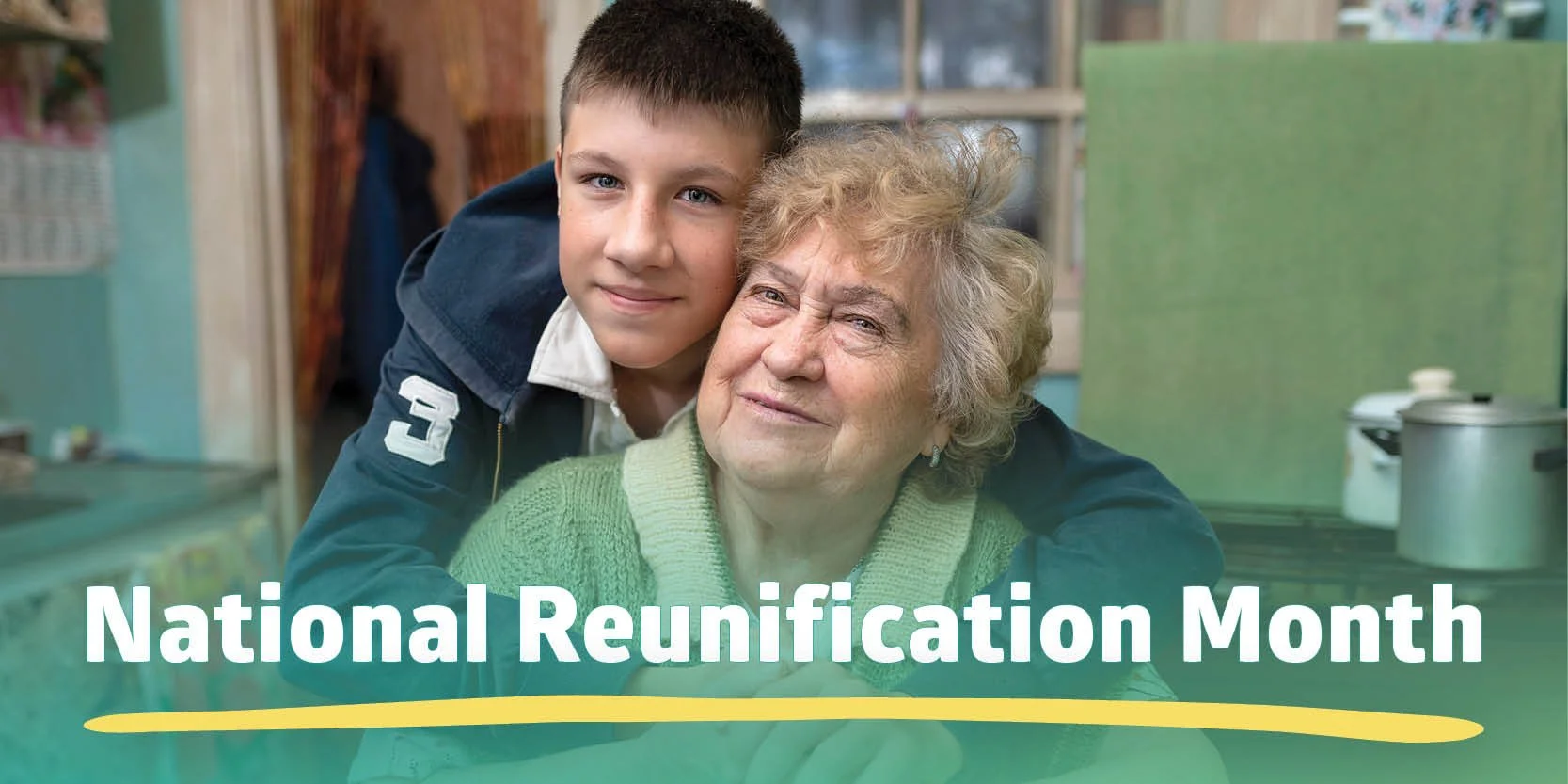
June marks National Reunification Month, a time to recognize and celebrate children returning to the care of biological family members after spending time in foster care.
While it’s widely believed that family reunification is rare, it’s actually far more common than people may realize. According to the National Council for Adoption, reunification is the most common outcome for youth exiting foster care, with nearly half (44%) returning to the care of their biological families. With the right support in place, reunification can help young people rebuild a sense of home and lasting relationships with people whom they share a family history and biological connections.
Preparing a young person for reunification with their biological family involves much more than simply reconnecting them. It requires sustained commitment and meaningful resources from organizations, like Boys & Girls Aid, that help youth develop the social and emotional skills necessary to build healthy relationships, achieve lifelong stability, and reach their highest potential.
Few people understand the complexity of the reunification process better than Samantha Luchtenburg, Boys & Girls Aid’s Director of Foster Care Programs. A few years ago, Samantha began working with a young person named Marcus, who entered Boys & Girls Aid’s foster care program after being separated from his family in California. Like many young people in foster care, Marcus entered the system with deep emotional wounds. Being placed in a new state, far from everyone he knew, only deepened his anger and sense of disconnection.
“He was definitely one of the toughest kids I’ve ever worked with,” Samantha recalls. “Marcus held a lot of rage toward his family and his situation, and he often expressed it through intense conflicts and violent outbursts.”
Most foster homes weren’t equipped to support Marcus’s emotional needs, which led to multiple placement disruptions. After being removed from home after home, stability always seemed just out of reach for Marcus.
But Boys & Girls Aid wasn’t ready to give up on him. Through regular one-on-one counseling and skills training sessions, Samantha and Marcus worked together to build an emotional toolkit that helped Marcus begin to heal and grow.
“We spent a lot of time unpacking his anger and helping him find healthier ways to cope,” Samantha says. “A big part of that was teaching him to recognize his triggers and choose his battles. I shared a phrase I’d learned from a counselor: ‘AFGO,’ or ‘Another Fricking Growth Opportunity,’ and it really stuck with him. It gave him a sort of mantra to reframe tough moments as chances to grow, and it’s made a real difference in how he handled life’s big feelings.”
Over time, as their connection deepened, Samantha recognized that the best path to permanency for Marcus would be reunification with his birth family. “Once he started opening up in therapy, he told us how much he wanted to go home and that he knew it was the best choice for him,” Samantha explains. This motivated Boys & Girls Aid to connect with Marcus’s extended family and led to the discovery that his grandmother was prepared and willing to welcome him home.
Now, Marcus’ renewed bond with his family has given him both the opportunity and the supportive environment he needs to thrive. Since moving in with his grandmother, Marcus has committed himself to personal growth including taking charge of his physical health through regular exercise and developing a deeper, more positive connection to his faith and spirituality. In addition to reconnecting with his grandmother, Marcus has strengthened bonds across his extended family, forming a close relationship with his brother and finding a positive role model in his uncle, who serves in the military.
“Once he started opening up in therapy, he told us how much he wanted to go home and that he knew it was the best choice for him”
Marcus attributes much of his success in reconnecting with his family to the support he received from Samantha and Boys & Girls Aid. “Marcus still keeps in touch,” Samantha shares. “He’ll call to reminisce, saying things like, ‘Remember when you told me to choose my battles? That really helped me.’ Or he’ll apologize and reflect: ‘I’m sorry I got so angry when you told me no—I don’t do that anymore.’ It’s incredible to see how much he’s grown. He’s even mentioned wanting to work for Boys & Girls Aid someday, so he can help other kids grow and reunite with their families.”
Marcus’s story is made possible thanks to Boys & Girls Aid’s community of supporters, like you. Your fully tax-deductible gift provides Boys & Girls Aid staff like Samanatha with the tools and resources necessary to help youth build trusting relationships and grow into the person they were always meant to be.